Key points
- Adults, young bed bugs and eggs are all visible without a magnifier, but eggs and newly hatched bugs are tiny and pale.
- You are more likely to find the signs they leave, such as dark spots and shed skins, than the insects themselves.
- Start with the mattress seams, the headboard and the joints of the bed frame.
- Finding nothing in a quick look does not rule them out. Small infestations are easy to miss.
In this guide
How big are bed bugs?
Bed bugs grow through five stages before becoming adults, so the same infestation contains insects of very different sizes. The drawing below shows them at about ten times life size.
1 mm
1.5 mm
4 mm
5 mm
up to 7 mm
What each stage looks like
| Stage | Size | Appearance |
|---|---|---|
| Adult | About 5 mm | Flat, oval and reddish brown, with six legs and no wings. After a blood meal the body swells, lengthens and darkens. |
| Nymph | 1.5 to 4.5 mm | The same shape as an adult but smaller and paler. Newly hatched nymphs are straw coloured and almost see-through until they feed, when a red spot shows in the body. |
| Egg | About 1 mm | Pearly white and shaped like a grain of rice. Glued in clusters into cracks, seams and screw holes, so they do not brush off. |
Bed bugs cannot fly or jump. If the insect you have found hops or takes off, it is something else.
Signs you will see first
Bed bugs avoid light and hide well, so most people notice the evidence before they see a live insect.
- Dark spots. Small black or dark brown marks on the mattress, bed frame or wall, like dots from a fine marker pen. These are droppings, and they smear if you wipe them with a damp cloth.
- Shed skins. Pale, papery, bug-shaped cases left behind each time a nymph grows.
- Blood spots. Small red or rust-coloured marks on sheets and pillowcases.
- Bites. Itchy raised marks, often in a line or cluster. Bites alone are not proof, because other insects and skin conditions look similar. See what bed bug bites look like.
- A sweet, musty smell. Only noticeable in heavy infestations.
Where to check
Bed bugs stay close to where people sleep or sit for long periods. In a light infestation most of them will be within a metre or two of the bed.
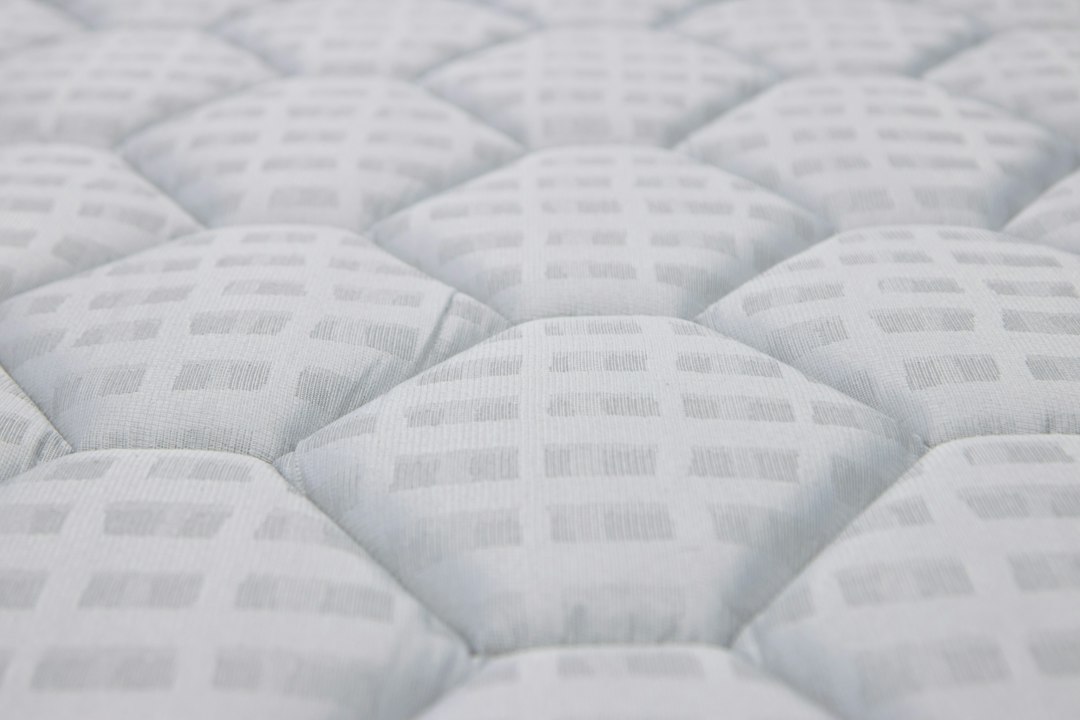
- Mattress. Seams, piping, handles, labels and any tears, on both sides.
- Headboard. The back of it and where it fixes to the wall or bed. This is the most commonly missed spot.
- Bed frame and base. Joints, screw holes, slat ends and the underside of a divan, including inside ottoman storage.
- Bedside furniture. Drawer runners, the underside and the back panel.
- The room edge. Skirting boards, carpet edges, plug sockets, picture frames and loose wallpaper near the bed.
- Sofas and armchairs. Seams, zips and the underside, if anyone sleeps or naps on them.
How to do a proper check
- Use a bright torch, even in daylight. The beam picks out the dark spots and pale skins.
- Run the edge of a bank card along seams and into cracks to push out anything hiding.
- Strip the bed fully. Looking at a made bed tells you very little.
- Take clear photos of anything you find. We can usually confirm bed bugs from photos.
- If you catch an insect, put it on clear sticky tape or in a sealed bag so it can be identified.
Found nothing? A room with only a few bed bugs can pass a visual check. If bites keep appearing, check again after a week, and look at where you sit in the evening as well as where you sleep.
Insects mistaken for bed bugs
- Carpet beetle larvae. Brown, bristly and worm-like. They damage fabrics but do not bite.
- Fleas. Smaller, narrow from side to side, and they jump.
- Booklice. Tiny, pale and soft-bodied, found in damp areas.
- Bat bugs and bird bugs. Close relatives that look almost identical and come from roosts or nests in the building.
Common questions
Can you see bed bug eggs?
Yes, but only just. They are about 1 mm long and white, so they show up best against dark wood or fabric under a torch.
Do bed bugs come out during the day?
Usually not. They feed mainly at night. Seeing them in daylight often means the infestation is well established or they have been disturbed.
Can you feel bed bugs crawling on you?
Rarely. They are light and feed while you are asleep, and most people do not feel the bite at the time.
I have bites but cannot find any bed bugs. What now?
Repeat the check with the bed stripped and the headboard pulled forward, and send us photos of any marks you find. If nothing turns up, the bites may have another cause.
What should I do if I find them?
Do not move to another room or carry bedding through the house, because that spreads them. Read how to kill bed bugs, or send us your photos for a quote.