Key points
- Heat kills every stage, including eggs. A 60°C wash and a hot tumble dry deal with fabrics.
- Washing, vacuuming and steam reduce numbers but rarely clear an infestation, because bed bugs also live in the bed frame, furniture and room edges.
- Foggers, bug bombs and most shop sprays do not work and can spread the problem.
- Do not sleep in another room or throw furniture out. Both spread bed bugs.
In this guide
First steps when you find them
- Stay put. Keep sleeping in the same bed. Moving rooms takes bed bugs with you and gives you two rooms to treat.
- Bag the bedding in the room. Seal it in bags before carrying it to the washing machine, so nothing drops off on the way.
- Wash hot and dry hot. 60°C wash, then at least 30 minutes in a hot tumble dryer.
- Vacuum. Mattress seams, bed frame, skirting and carpet edges. Empty the vacuum into a sealed bag and put it in the outside bin.
- Take photos. Clear pictures of insects and marks make it easy to confirm what you are dealing with.
- Tell the right people. If you rent, tell your landlord or agent. In a flat, neighbours may need to check too.
What you can do yourself
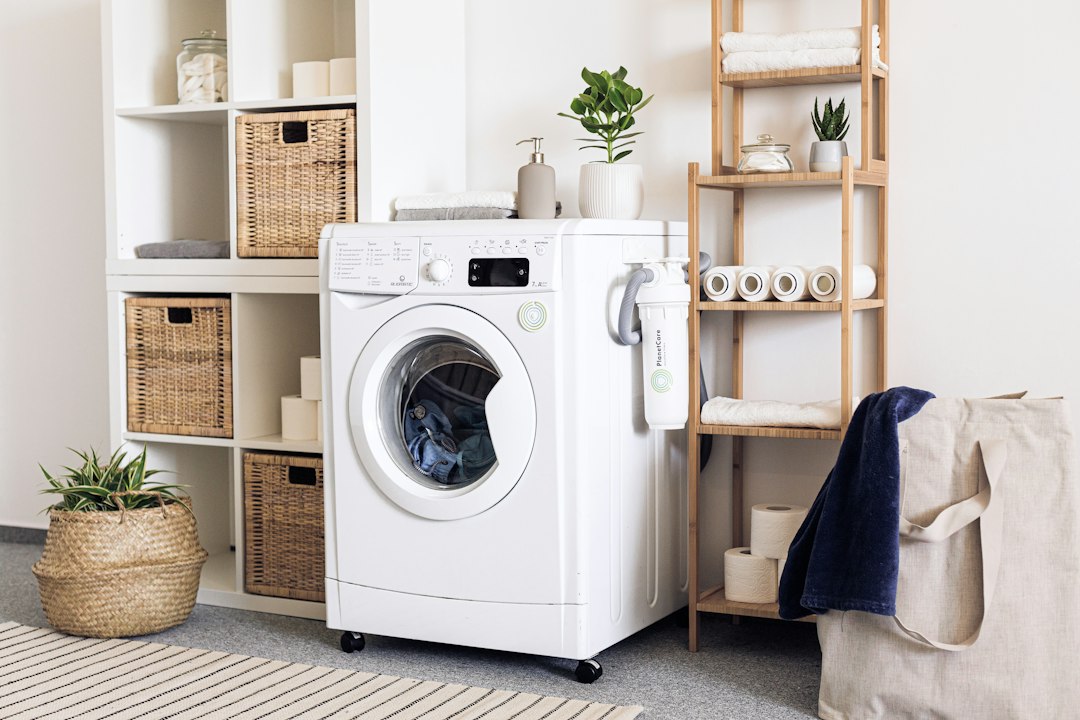
- Hot wash and tumble dry. The most useful thing you can do at home. Items that cannot be washed can often go straight into a hot dryer.
- Freezing. NHS guidance is to bag items that cannot be washed and freeze them for 2 to 3 weeks.
- Vacuuming. Removes live insects and shed skins. It does not shift eggs, which are glued down.
- Steam. Kills what it touches directly. Slow work, and it only reaches the surface.
- Mattress and base encasements. Zip-up covers trap anything inside and make new activity easier to see.
- Keeping treated items sealed. Store clean bedding and clothes in sealed bags or boxes until the problem is resolved.
Be realistic. These steps cut the numbers and the bites. They very rarely finish an infestation, because you cannot wash a bed frame, a sofa or the gap behind a skirting board.
What does not work
Skip these
- Foggers and bug bombs. The mist does not get into cracks and it drives bed bugs deeper into the building.
- Shop-bought sprays. Many bed bug populations are resistant, and eggs are unaffected.
- Household heaters or hairdryers. They cannot heat a room evenly and are a fire risk.
- Rubbing alcohol, bleach or essential oils. Unreliable, and some are a hazard in themselves.
Avoid these mistakes
- Sleeping elsewhere. They follow you, or travel with you.
- Throwing out the mattress. The insects in the frame and room remain, and carrying it out spreads them.
- Moving belongings to another room. Same problem.
- Stopping when the bites stop. Eggs hatch later and it starts again.
We do not use fogging in any of our treatments.
Why heat is so effective
Bed bugs and their eggs die when they are heated through. Sustained temperatures in the mid 40s Celsius kill them over time, and above about 50°C they die quickly. Unlike insecticides, there is no known resistance to lethal heat, and it reaches into furniture, seams and wall edges where sprays do not.
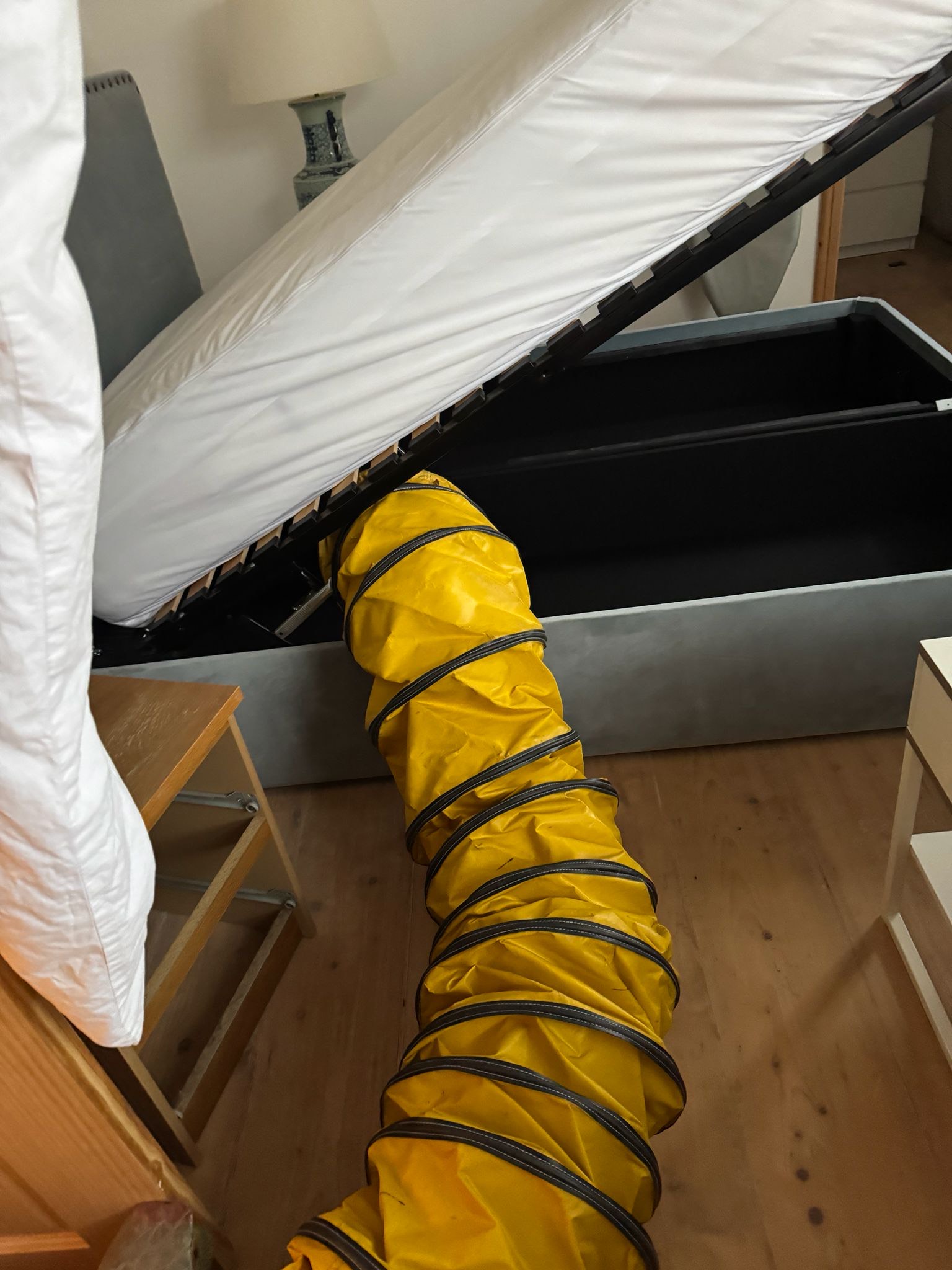
The difficulty is doing it evenly. A professional treatment raises the whole property to a lethal temperature and holds it there while the contents heat through, with the temperature monitored around the rooms. That cannot be reproduced with domestic equipment. See how bed bug heat treatment works.
Professional options compared
| Heat treatment | Insecticide programme | |
|---|---|---|
| How it works | The property is heated to a temperature that kills all stages, followed by a minimal targeted finishing treatment. | Residual insecticides are applied to hiding places and left to act. |
| Eggs | Killed by the heat. | Largely unaffected, so repeat visits catch the bugs as they hatch. |
| Visits | The main work is done in one visit. A return visit is sometimes needed. | Normally two or three visits, a few weeks apart. |
| Resistance | No known resistance to heat. | Can be a problem with some populations. |
| Chemical use | Low. | Higher. |
| Cost | Higher up front. See our prices. | Lower per visit, spread over several visits. |
When to call a professional
- You have found live bed bugs in more than one place or more than one room.
- Activity comes back after you have washed and vacuumed.
- You live in a flat or shared house where neighbours may be affected.
- Someone in the home is reacting badly to bites or losing sleep.
We treat homes across London with whole-property heat, assessed by phone with no inspection fee, and qualifying treatments carry 12-week return cover. Get a quote.
Common questions
What kills bed bugs instantly?
Direct heat. Steam kills on contact, and temperatures above about 50°C kill quickly. Nothing sold over the counter kills a whole infestation instantly.
Can I get rid of bed bugs myself?
Occasionally, if it is caught very early and is confined to one item. In most cases home methods reduce the numbers without ending the problem.
Does diatomaceous earth work?
It can kill bed bugs that walk through it, but slowly and patchily, and the dust is an irritant if breathed in. It is not a solution on its own.
How long does it take to get rid of bed bugs?
With heat, the main work is done in one visit, though a return visit is sometimes needed. Insecticide programmes run over several weeks. Either way, keep watching for activity for a few weeks afterwards.
Do I need to throw away my bed or sofa?
Almost never. Furniture is treated in place during a heat treatment.